
Imagine that you wake up one morning and can't make a fist.
Your coffee mug feels like it weighs 50 pounds. Buttoning your shirt takes five frustrating minutes. Your hand just won't cooperate anymore.
Sound familiar?
It doesn’t matter if you've just had surgery, been diagnosed with carpal tunnel, or woke up with mysterious hand pain that won't quit, you're probably wondering what happens next.
The answer might surprise you.
Hand therapy isn't just some fancy term doctors throw around. It's actually a perfect for anyone dealing with hand, wrist, or finger problems.
And no, you don't need to live with the pain or rush into surgery.
What Is Hand Therapy?
 Hand therapy is a special type of treatment that helps your hands, wrists, fingers, elbows, and shoulders work better.
Think of hand therapists as experts who understand everything about how your hands move and work.
Hand therapy uses exercises, custom splints, and different treatments to help you heal.
The goal is simple: get your hands working normally again so you can live your life without limitations.
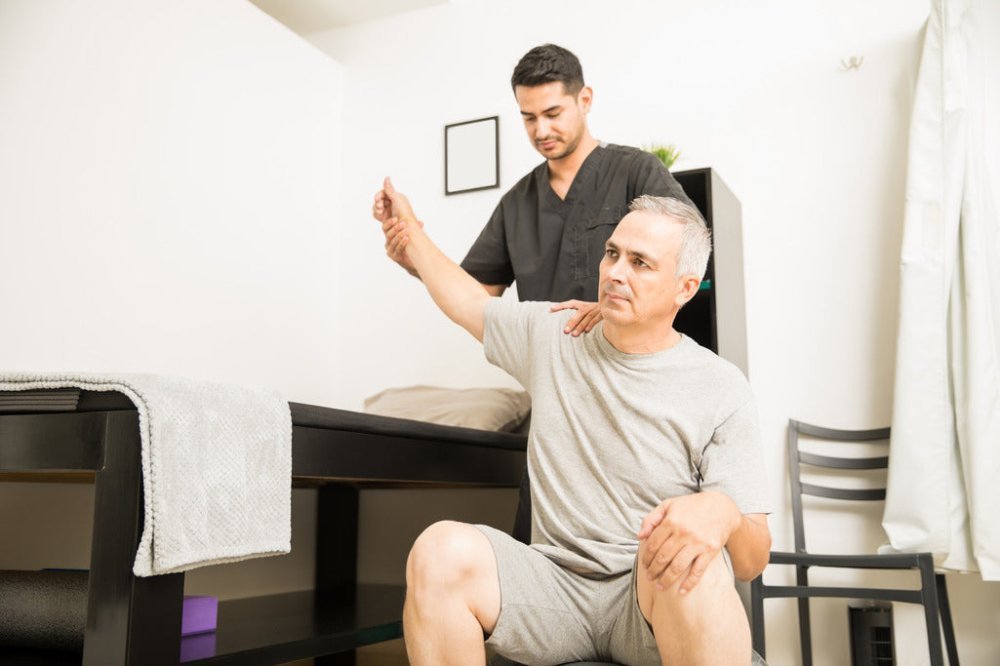
A hand therapist is either an occupational therapist or physical therapist who has extra training in treating the upper body.
They examine your hand, create a personalized treatment plan, teach you specific exercises, make custom splints, and help reduce swelling and pain.
Conditions Treated with Hand Therapy
Hand therapy helps with many different problems. Here are the most common ones:
Carpal Tunnel Syndrome Treatment
This happens when a nerve in your wrist gets squeezed, causing numbness, tingling, and pain. Hand therapy can often help without surgery through exercises, splinting, and teaching better hand positions.
Arthritis Hand Therapy
Hand therapists show you exercises that keep your joints moving and teach you how to protect them during daily activities.
Trigger Finger Therapy
When your finger gets stuck in a bent position, hand therapy uses exercises and sometimes splints to help it move smoothly again.
Wrist Fracture Rehabilitation
After breaking your wrist, hand therapy helps you regain strength and movement through safe exercises.
Tendon Injury Rehabilitation
When tendons are injured, hand therapy helps them heal strong with exercises that gently move the tendon without damaging it.
Tennis Elbow and Golfer's Elbow
Despite the names, you don't need to play sports to get these conditions. Hand therapy includes exercises to strengthen the muscles and reduce pain.
Post Surgical Hand Therapy

If you've had hand surgery, hand therapy is usually crucial for recovery. Hand therapists know exactly when and how to start moving your hand so it heals correctly.
They'll make you a custom splint to protect the surgical area, then teach you gentle exercises that gradually get harder as you heal.
Common surgeries that need hand therapy include carpal tunnel release, trigger finger release, tendon repairs, and fracture repairs.
Hand Therapy Exercises You Might Do
Hand therapy exercises are designed specifically for your problem. Range of motion exercises help your joints move fully. Strengthening exercises build up weak muscles.
Nerve gliding exercises help nerves slide smoothly through your arm and hand. Tendon gliding exercises keep tendons moving well and prevent stiffness.
Your therapist will show you exactly how to do each exercise. Many exercises you'll do at home between therapy sessions. The key is doing them correctly and consistently.
Custom Hand Splints and Orthotics
One of the most important tools in hand therapy is the custom splint. Hand therapists heat special plastic material and mold it directly to your hand. The result is a splint that fits perfectly and does exactly what your hand needs.
Custom splints are much more effective than store-bought ones because they fit your hand perfectly and are designed for your specific problem.
How Long Does Hand Therapy Take?
A simple sprain might need just a few weeks of therapy. A complex surgery could require months of treatment. The average person goes to hand therapy for about 6 to 12 weeks.
Your therapist will give you an estimate after your first evaluation and update you regularly on your progress. Remember that healing takes time and trying to rush it can actually set you back.
Hand Therapy Tools and Equipment for Home Use
Having the right tools at home can speed up your recovery and help you maintain progress between sessions.
Professional grade hand therapy equipment isn't just for clinics anymore.
The Gripzilla Tornado for Hand and Wrist Rehabilitation

The Gripzilla Tornado is gaining popularity among hand therapists and their patients. This is not your typical hand gripper.
The Tornado uses a unique three dimensional motion that activates over 30 muscles in your hands, wrists, and forearms all at once.
Unlike traditional grip tools that only work in one direction, the Tornado lets you twist and rotate naturally, which matches how you actually use your hands in real life.
Physical therapists recommend it for carpal tunnel syndrome, tennis elbow, golfer's elbow, tendonitis, arthritis, and post surgical rehabilitation.
What makes it especially good for therapy is the adjustable resistance.
You can start very light when you're just beginning recovery and gradually increase the difficulty as you get stronger. The Tornado is also portable and weighs only 3 pounds, so you can use it anywhere.
You can learn more about the Gripzilla Tornado here.
Hand Grippers for Grip Strength Building
![Gripzilla "PUNISHER" Individual Gripper - 200LB [USA Only] - Gripzilla - The Best Grip and Forearm Strength Exercises, Arm Wrestling Tools, Hand Grippers to Improve Grip Strength](https://cdn.shopify.com/s/files/1/0272/2408/0419/products/gripzilla-punisher-individual-gripper-200lb-usa-only-530449.jpg?v=1671051145)
The Gripzilla hand grippers come in different resistance levels from 50 to 300 pounds.
For therapy purposes, start with the lighter resistances. Hand grippers are perfect for rebuilding crushing grip strength.
The key is choosing the right resistance. If you can't do at least 10 squeezes, the gripper is too heavy. If you can do 30 easy squeezes, it's time to move up to the next level.
Using Hand Therapy Tools Safely
Always warm up your hands before using resistance tools. Stop if you feel sharp pain. Some discomfort is normal, but pain means you're overdoing it. Follow your therapist's recommendations for repetitions and sets.
Most importantly, home equipment should complement professional therapy, not replace it. Use these tools as part of your overall treatment plan under your therapist's guidance.
Hand Therapy Cost and Insurance Coverage
Most insurance plans cover hand therapy when it's medically necessary. Without insurance, sessions usually cost between $75 and $200 per visit.
Check with your insurance company before starting therapy. Many clinics will verify your insurance coverage for you before your first visit.
When to See a Hand Therapist
 See a hand therapist if your hand pain lasts more than a few days, you have numbness or tingling in your fingers, your grip feels weak, you can't fully straighten or bend your fingers, you have swelling that won't go down, or daily activities are hard because of your hand.
Don't wait until a small problem becomes a big one. Early treatment usually means faster recovery.
Frequently Asked Questions About Hand Therapy
What is the difference between a hand therapist and a regular physical therapist?
Hand therapists are either occupational therapists or physical therapists who have specialized training in treating hands, wrists, elbows, and shoulders. They have deep knowledge of hand anatomy and function, while regular physical therapists treat the whole body.
Do I need a referral to see a hand therapist?
It depends on your location and insurance. Some states allow direct access without a doctor's referral, but most insurance companies require a prescription to cover the cost. Check with your insurance provider about their requirements.
How much does hand therapy cost per session?
Without insurance, sessions typically cost between $75 and $200. With insurance, you'll usually pay a copay ranging from $20 to $60 per visit. Most insurance plans cover hand therapy when medically necessary.
How many sessions of hand therapy will I need?
It varies based on your condition. Simple problems might need 4 to 6 sessions over a few weeks. Complex injuries or post surgical cases might require 12 to 24 sessions over several months. Your therapist will estimate after evaluating you.
Can hand therapy help carpal tunnel syndrome without surgery?
Yes, many people improve with hand therapy alone. Treatment includes custom splinting, nerve gliding exercises, posture correction, and ergonomic modifications. Conservative treatment can effectively reduce symptoms for mild to moderate carpal tunnel syndrome.
When should I start hand therapy after hand surgery?
The timing depends on your surgery. Some surgeries require therapy within days to prevent stiffness. Others need several weeks of healing first. Your surgeon will tell you when to start. Follow their recommendations closely for optimal recovery.
Is hand therapy painful?
Hand therapy should not be extremely painful. You might feel some discomfort during exercises, especially right after injury or surgery. This should be tolerable and temporary. Always tell your therapist if something causes sharp pain.
What happens during the first hand therapy appointment?
The therapist will interview you about your condition and how it affects your daily life. They'll examine your hand, measuring range of motion, strength, swelling, and sensation. They'll explain their findings and create a treatment plan. You'll often begin some treatment that same day. The first visit typically lasts about an hour.
Over To You
Hand therapy is a specialized field that helps countless people recover from hand injuries and conditions.
It doesn’t matter if you're dealing with pain, recovering from surgery, or trying to prevent problems, a skilled hand therapist can make a huge difference in your recovery.
Don't ignore hand problems or assume they'll get better on their own. Your hands are essential for almost everything you do. Getting proper treatment early leads to better outcomes and faster recovery.
If you're experiencing hand pain, limited movement, or difficulty with daily tasks, reach out to a hand therapist in your area.
With the right professional care and quality home equipment like Gripzilla products, you can heal properly and get back to living your life fully.