If jars suddenly feel impossible, your grip slips for no reason, and your fingers ache in the morning, you're not imagining it and you're not falling apart. Most women are never told that hand and grip strength can drop sharply at midlife, why it happens, or that it's one of the few things you can actually reverse. Here's what's really going on.

| What you've tried | Eases pain? | Builds real strength? | Fixes the cause? | Verdict |
|---|---|---|---|---|
| Painkillers / ibuprofen | Briefly | No | No | Masks it (0/3) |
| Wrist brace / support | Sometimes | No (weakens more) | No | Manages it (0/3) |
| Pain-relief gel | Briefly | No | No | Masks it (0/3) |
| Cheap spring gripper | No | Trains a squeeze only | No | Partial (1/3) |
| Gripzilla Dynamo (progressive grip training) | Yes, over weeks | Yes | Yes | Addresses cause (3/3) |
The first four manage or mask the symptom. Only progressive resistance rebuilds the strength that midlife quietly takes away.
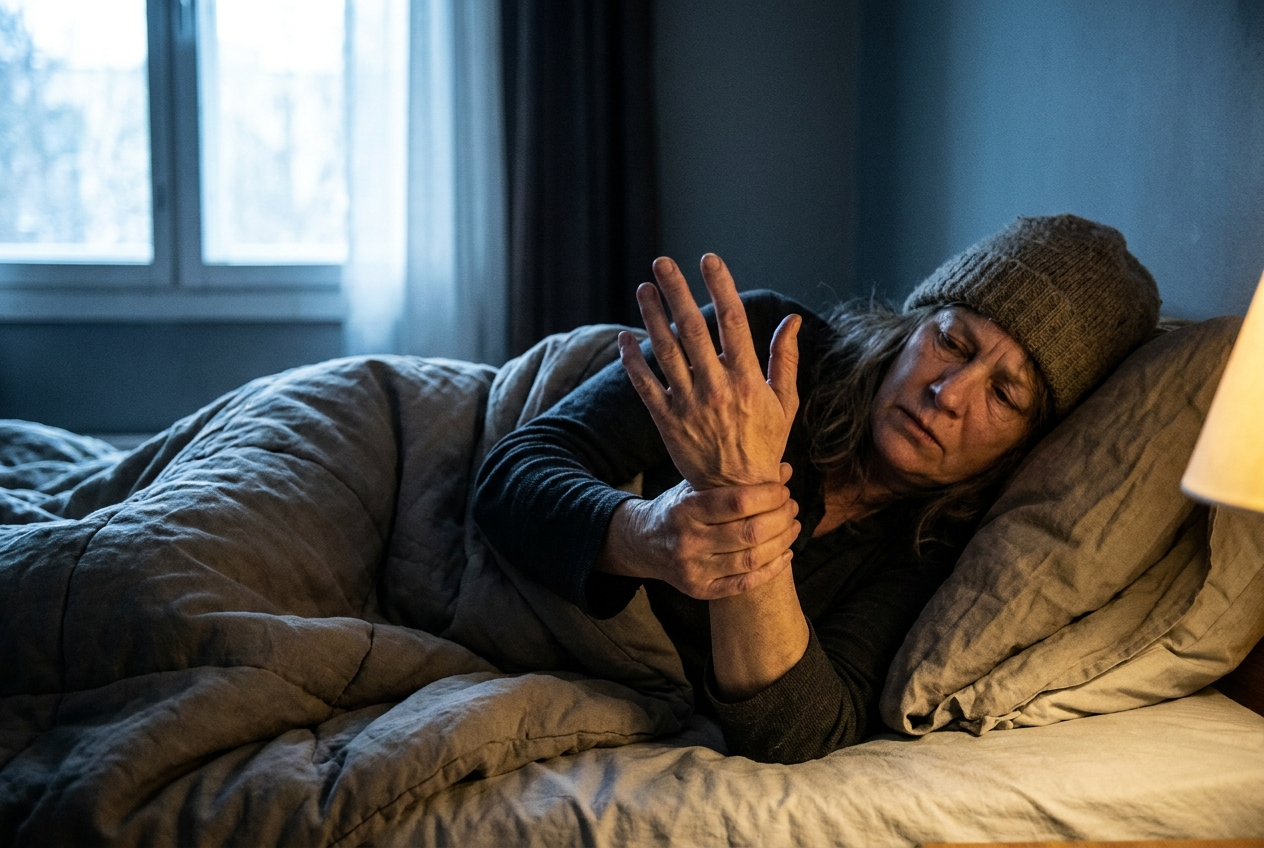
It starts small. Stiff fingers when you wake up, a wrist that aches when you turn a key or a door handle, a grip that gives out lifting the kettle. Most women describe the exact same thing: "the mornings are the worst," and a doctor who shrugs and says it's just getting older.
But "normal" and "nothing you can do" are not the same thing. Morning stiffness and aching hands are extremely common at midlife precisely because something specific is happening to the tendons and joints in your hands, not because you've simply run out of road.
The women who get told "it's just age" are often the ones who never find out it was fixable. That's the real cost of the brush-off.
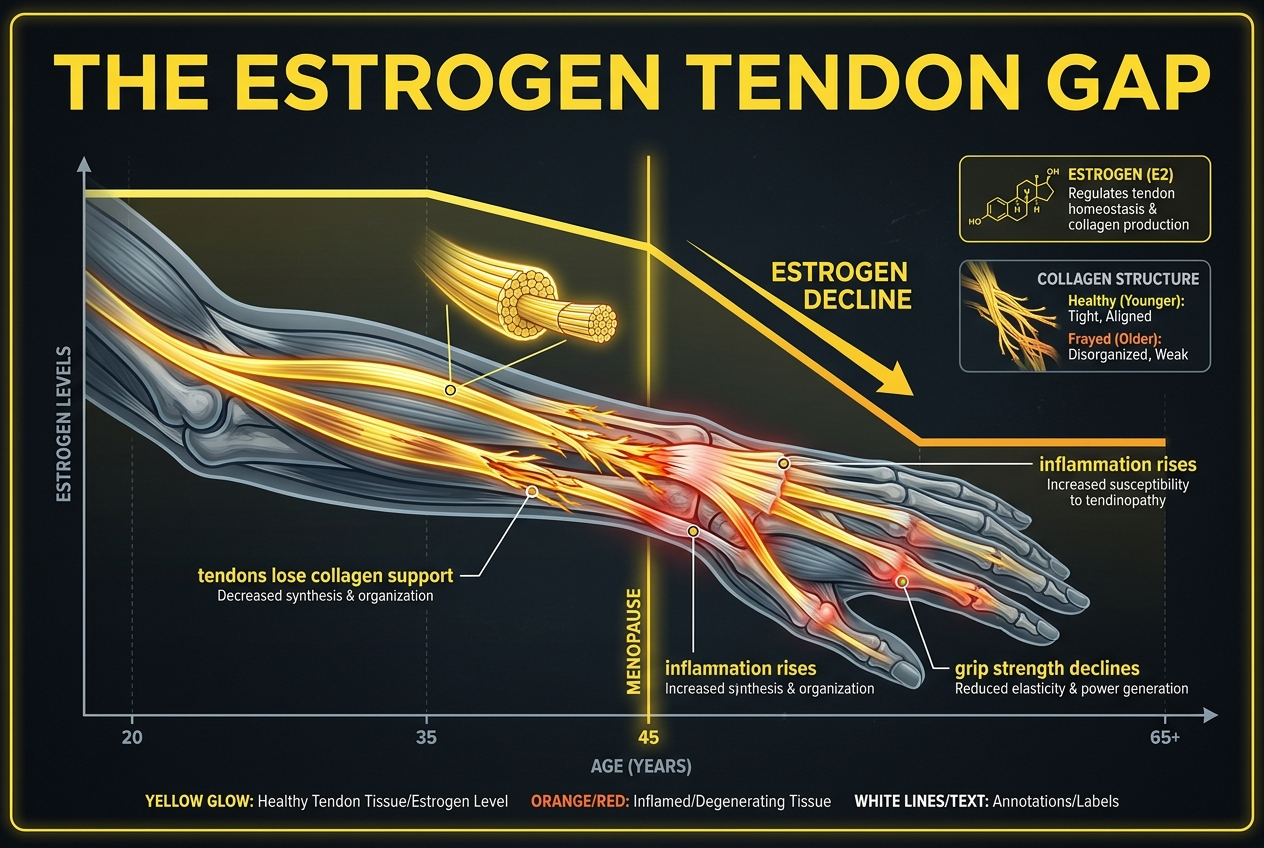
Here's what almost no one explains. For decades, estrogen quietly helped maintain the collagen in your tendons and kept inflammation in check. As estrogen falls through perimenopause and beyond, tendons lose some of that support, stiffen, and become more prone to aching and weakness. Grip strength is one of the first places it shows up.
That's why hand and wrist problems cluster in the same decade as everything else: carpal tunnel peaks in women aged 45 to 54, and over half of women report joint pain or stiffness during this transition. It isn't a coincidence, and it isn't you "letting yourself go."
Call it the Estrogen Tendon Gap: the years when the hormone that protected your hands steps back, and no one warns you it's coming. Understanding it is the first step, because the gap responds to the one input you still fully control.
Estrogen isn't something you can train back. But the thing it was protecting, the strength and resilience of the muscles and tendons in your hand, wrist and forearm, responds to progressive resistance at any age.
When you load those tissues gradually and consistently, they adapt: stronger grip, steadier wrists, less of that "gives out for no reason" feeling. You're not fighting your hormones. You're giving your hands a new source of support.
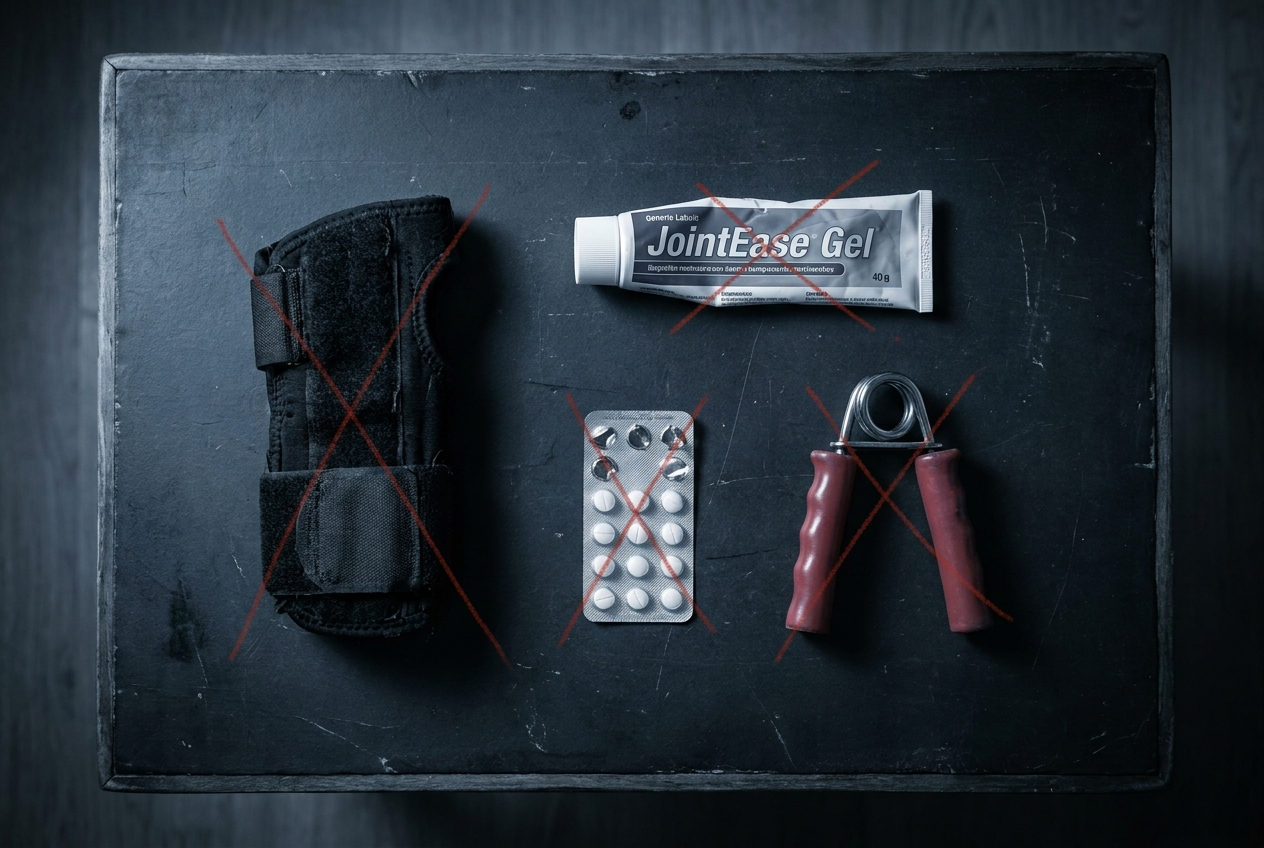
Look at what's usually offered: painkillers, a tube of gel, a wrist brace, maybe an injection. Every one of them targets the pain. None of them makes your hands stronger, and a brace can actually let the muscles weaken further the longer you rely on it.
This is why women cycle through all of it and still say "nothing is working." The pain quiets for a while, then comes back, because the underlying weakness was never addressed. You were handed symptom management and told it was treatment.
The missing piece isn't a stronger painkiller. It's strength itself, built back into the hand, wrist and forearm as one unit.
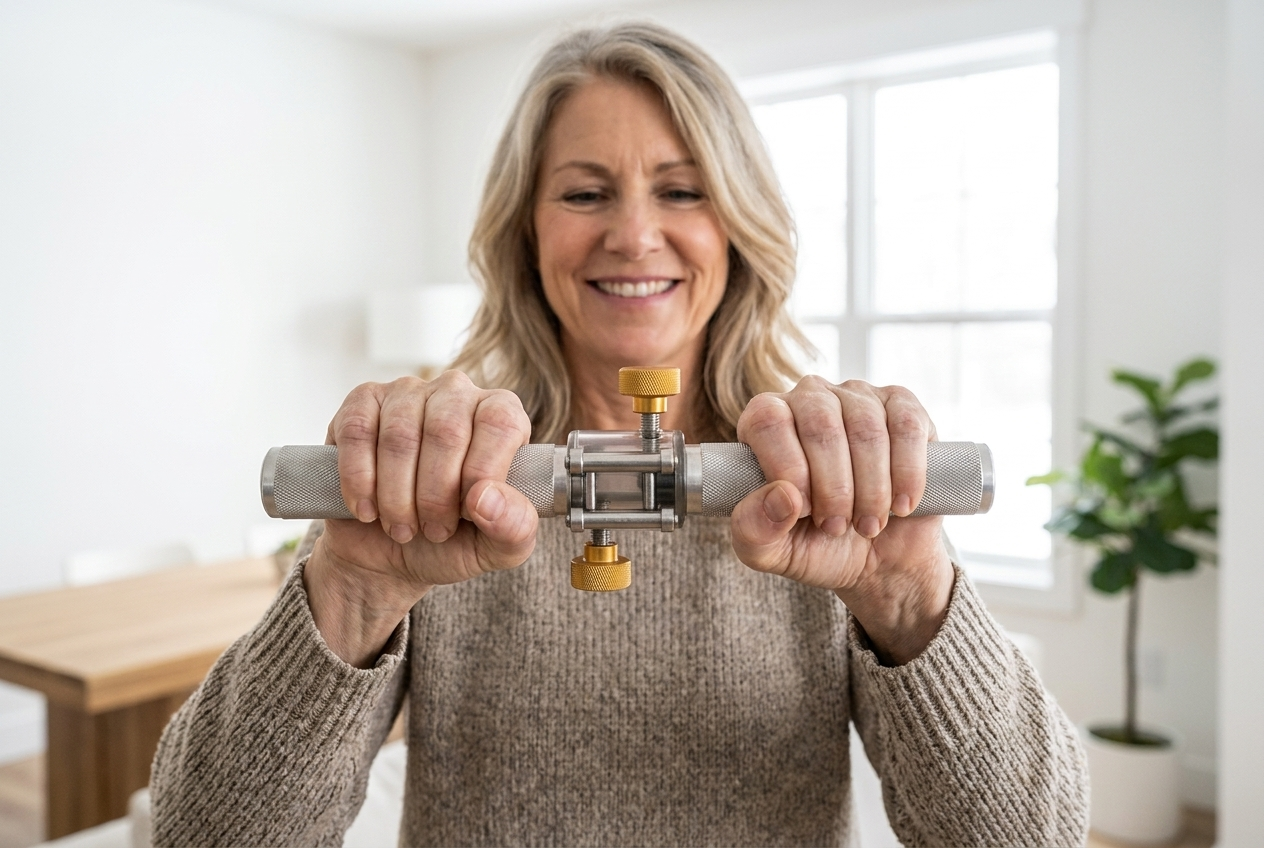
Most hand strengtheners are built for men who already train. They start at resistances far too high for a woman whose hands have gone weak, so she squeezes once, fails, and quits. That's not a willpower problem, it's a design problem.
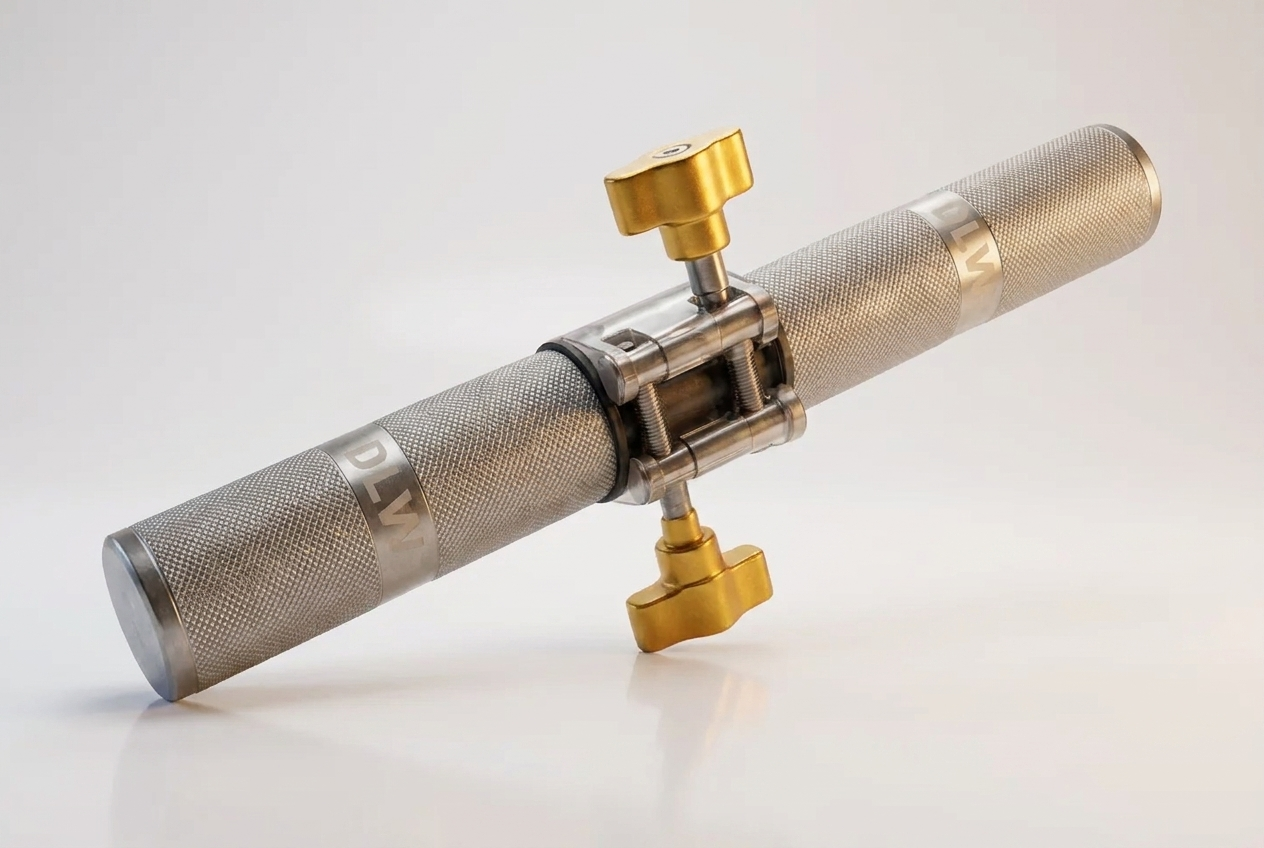
The Gripzilla Dynamo is adjustable from a genuinely light starting point, so it meets your hands where they are today, then climbs as you get stronger. It trains the whole gripping chain, the squeeze, the hold, and the forearm, not just a single quick squeeze the way a cheap spring gripper does.
A few minutes a day, a few days a week, is the same kind of resistance research shows rebuilds grip strength in women in their 50s, 60s and beyond. Not a brace you lean on. Strength you keep.

Of all the changes that arrive at midlife, hand and grip strength is one of the most responsive to training. Your tendons and muscles don't stop adapting at 50. Given the right, gradual resistance, they get stronger, and the jars, doorknobs and kettles stop winning.
You don't get to vote on your hormones. You do get to decide whether your hands keep their strength. Most women are never told that second part.
Her mother's generation had their wedding rings cut off swollen fingers and assumed it was simply their lot. You have something they didn't: the information, and a way to act on it.