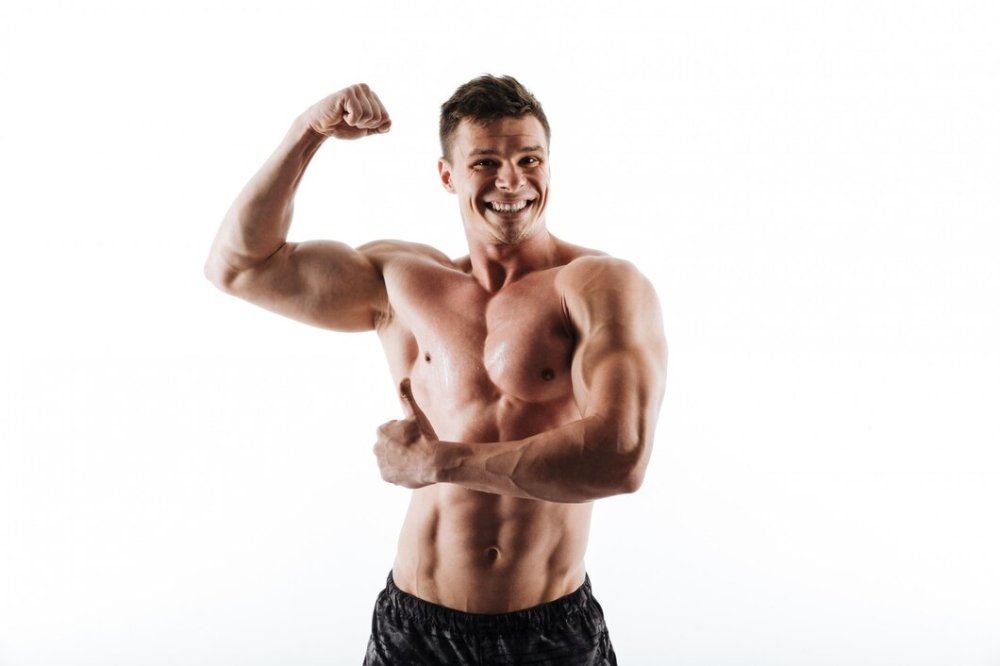

Let’s talk arms. You want bigger biceps? Of course, you do.
Whether you’re sizing up your progress or just wondering how you stack up, knowing the average bicep size is a solid flex. But if you’re here just to read numbers, you’re missing the point.
You don’t just want to know the average; you want to beat it.
So, let’s break it down, then talk about how to pack serious size onto your arms with the Tornado and Dynamo.
What Is "Bicep Size" and How Is It Measured?
Before we dive into numbers, this matters: most population data, including the CDC figures, measures relaxed, unflexed mid-upper arm circumference (MUAC).
That's the arm hanging loose at your side, tape at the midpoint between shoulder and elbow.
This is NOT the same as your flexed bicep measurement. The relaxed number includes bone, fat tissue, and muscle together. It's a health and nutrition metric, not a bodybuilding metric.
How to measure your flexed bicep correctly:
- Stand upright and raise one arm to shoulder height
- Bend at the elbow and make a tight fist
- Squeeze your bicep as hard as possible
- Wrap a flexible tape measure around the peak , the highest point of the muscle
- Keep the tape snug, not compressing the skin
- Record the number in inches or centimeters
The flexed measurement is what you should track for gym progress. It will typically read 1–2 inches larger than your relaxed measurement.
What’s the Average Bicep Size?
Genetics play a role, but training (or lack of it) is what separates average from impressive. Here’s what the numbers say:
Average Bicep Size by Age (Men)
· Teenagers (13-18 years): 11-13 inches
· Young Adults (19-29 years): 13-14 inches
· Middle-Aged (30-49 years): 13-15 inches
· Older Adults (50+ years): 12-14 inches
Average Bicep Size by Age (Women)
· Teenagers (13-18 years): 10-11 inches
· Young Adults (19-29 years): 10-12 inches
· Middle-Aged (30-49 years): 11-13 inches
· Older Adults (50+ years): 10-12 inches
Athletes & Bodybuilders
If you lift regularly, your arms should be bigger than average. Anything above 15 inches for men and 13 inches for women is considered well-developed. Elite lifters often push past 17+ inches.
How to Increase Your Bicep Size (Fast & Efficiently)?
Want bigger arms? You need more than curls. Growth comes from heavy tension, progressive overload, and grip strength. Here’s how to make it happen.
Train Heavy & Smart
1. Compound lifts first: Chin-ups, rows, and presses hit the biceps hard.
2. Then, go for isolation: Hammer curls, preacher curls, and spider curls add volume.
3. Progressive overload: More weight, more reps, more intensity.
Max Out Your Grip Strength (The Missing Link)
Weak grip? Weak biceps. Your forearms and grip limit how much weight your biceps can handle. Fix this, and your arms explode in size.
That’s where Dynamo & Tornado come in.
 Unlike standard gym curls, the Tornado targets your entire arm including the biceps, forearms, and stabilizers with constant resistance.
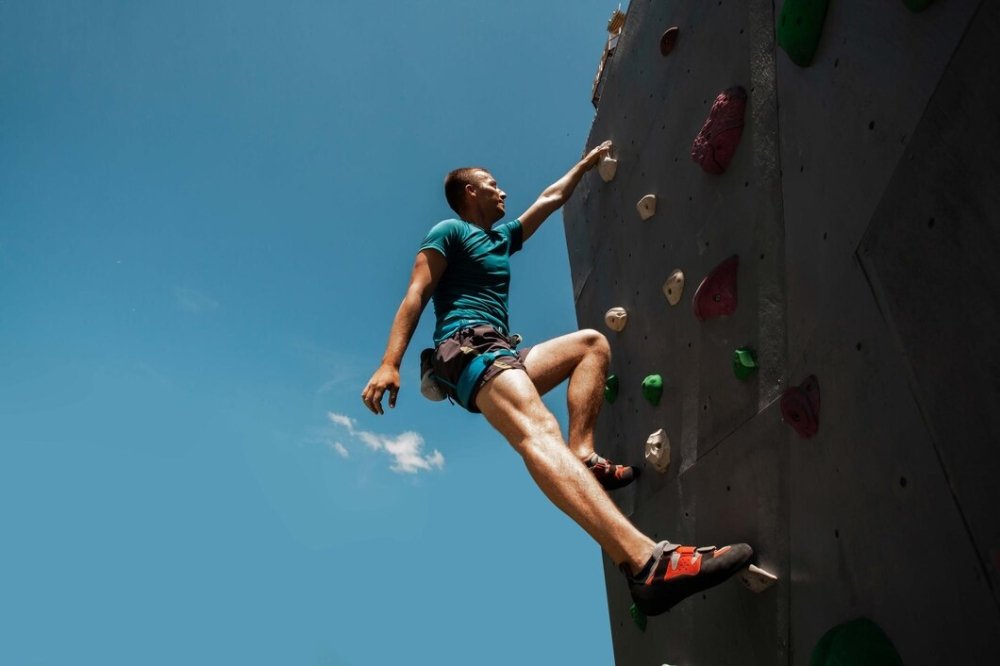
· Simulates real-world grip challenges: Wrestling, climbing, even manual labor.
· Friction-based resistance: Forces your biceps & forearms to work harder.
· Portable & adjustable: A full arm workout, anywhere.
 Think wrist roller, but better. The Dynamo levels up bicep & forearm training with adjustable resistance and zero messy weight plates.
· Adjustable tension: Go light for endurance, heavy for mass.
· Targets grip & biceps simultaneously: No weak links.
· Compact & powerful: No need for extra weights.
How Long Will It Take to See Results?
Be honest with yourself about the timeline:
- Weeks 1-4: Mostly neuromuscular adaptations (you get stronger without much visible size yet)
- Months 1-3: First visible changes, especially if you're a beginner
- Months 3-6: Measurable increase in arm circumference (0.25–0.5 inch is realistic)
- Year 1–2: Solid, noticeable development — arms that look trained
- Year 3+: Significant size requires sustained effort, progressive overload, and dialed-in nutrition
Nutrition for Bigger Biceps
You cannot out-train a calorie deficit for muscle building. To add arm size you need to be:
- In a slight calorie surplus (200–400 calories above maintenance) for maximum growth
- Hitting your protein target — 0.7–1g per pound of bodyweight daily
- Eating enough carbohydrates to fuel training sessions and replenish muscle glycogen
Protein sources that support muscle growth: chicken, beef, eggs, Greek yogurt, cottage cheese, fish, and protein supplements where needed.
Want Bigger Arms?
If your biceps aren’t growing, your grip & forearms are holding you back. Fix that with Tornado & Dynamo, and your arm game goes next level.
Get serious. Check out Tornado & Dynamo now. Let’s grow.
Frequently Asked Questions
Is 14-inch biceps good for a man?
Yes, 14 inches flexed puts you above the general population average and in solid territory. With a lean body composition, 14-inch arms look well-developed and athletic.
What is a good bicep size for a 16-year-old?
Teenagers are still developing. At 16, 12–13 inches relaxed for males is completely normal. Focus on building the training habit and eating well rather than chasing measurements at this stage.
Do forearms affect bicep size?
Indirectly, yes. Stronger forearms and grip allow you to handle heavier loads in curls and pulling exercises, which means more stimulus for bicep growth.
Why aren't my biceps growing despite training?
The most common reasons are insufficient progressive overload (not adding weight/reps over time), too little weekly volume, inadequate protein intake, poor sleep, or grip fatigue cutting sets short before the biceps are fully fatigued. Address each one systematically.
How often should I train biceps?
2–3 times per week with 12–16 total sets spread across those sessions is optimal for most people. Once a week is usually too infrequent for maximum growth.
What bicep size can I realistically reach naturally?
For most natural male trainees: 15–17 inches flexed at a lean body composition is achievable with 3–5 years of serious, consistent training. Elite natural athletes can push to 17–18 inches. Anything beyond that typically requires either exceptional genetics, performance-enhancing substances, or both.