
You know that feeling when you see someone with hands and wrists so big they could palm two basketballs at once?
It stops you in your tracks. Your brain tries to process what you're seeing, but it just doesn't compute.
That's exactly what happens when people meet Jeff Dabe.
The Minnesota arm wrestler has a 12-inch wrist circumference. Let that sink in for a second. The average man's wrist measures around 6.5 to 7 inches. Jeff's wrists are almost DOUBLE that size.
So who actually has the biggest wrist in the world? And more importantly, can YOU build bigger, stronger wrists through training?
Let's break it down.
Who Has the Biggest Wrist in the World?
When it comes to the biggest wrists on the planet, we need to talk about two categories.
People born with naturally massive wrists due to genetic conditions, and athletes who've built insane wrist and forearm size through years of brutal training.
1. Jeff Dabe: The 12-Inch Wrist Wonder

Jeff Dabe from Minnesota isn't just famous for his arm wrestling skills. The man has a 12.2-inch wrist circumference, which makes him a walking medical mystery.
Born in 1963, Jeff had oversized hands and wrists from birth. Doctors at the University of Minnesota ran every test imaginable looking for gigantism, elephantiasis, or any other medical condition that could explain his massive limbs. They found nothing.
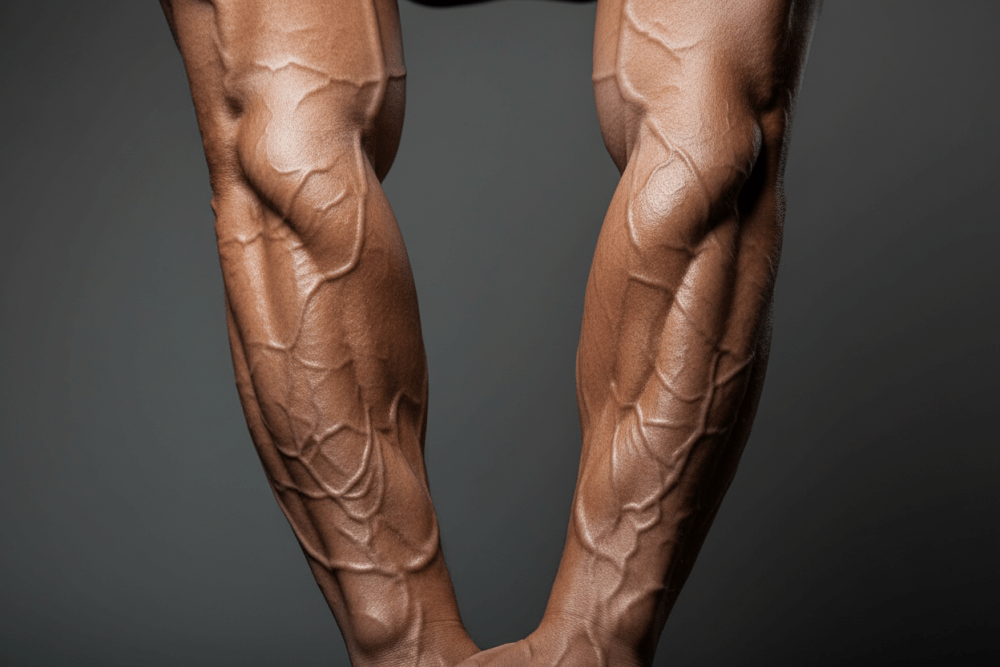
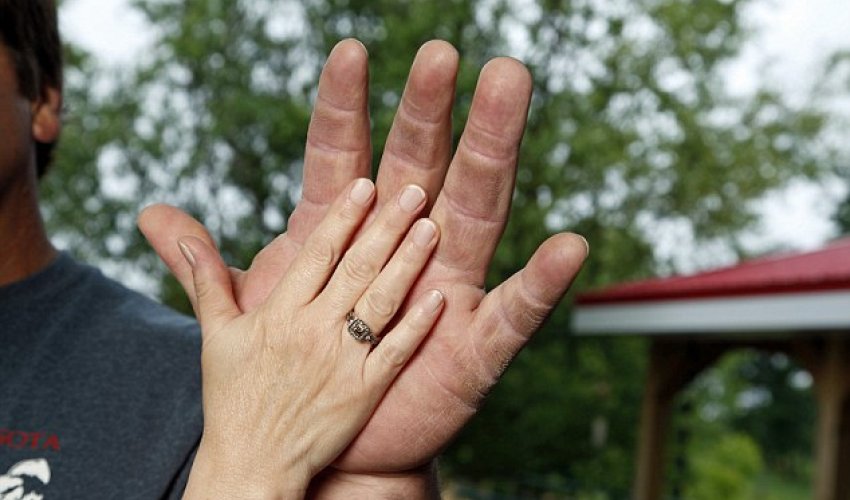
His forearms measure 19 to 20 inches in circumference. His wedding ring is 5 inches around. He can hold a basketball in each hand like you'd hold an orange. And when he shakes your hand, his fingers completely engulf yours.
The craziest part? Jeff works as a heavy equipment operator and runs a hobby farm. He does everything a normal person does, from working on cars to chopping wood. He just happens to look like a real-life Popeye while doing it.
2. Sultan Kösen: Record Holder for Largest Hands

While Jeff Dabe has the biggest wrists among arm wrestlers, Sultan Kösen from Turkey holds the official Guinness World Record for the largest hands on a living person.
Sultan's hands measure 28.5 cm (11.22 inches) from wrist to middle fingertip. His hand span reaches 30.48 cm (12 inches). Unlike Jeff, Sultan's size is the result of a medical condition related to his pituitary gland, which also makes him the tallest living man at 8 feet 2.8 inches.
The connection between hand size and wrist size is important here. People with massive hands almost always have proportionally large wrists to support that bone structure and muscle mass.
3. Levan Saginashvili: The Georgian Giant

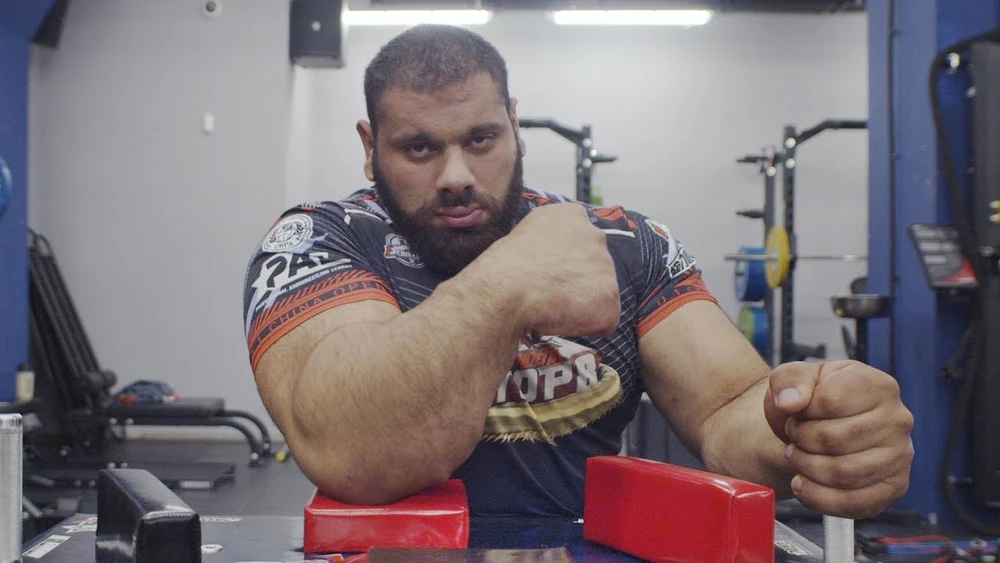
At 6'3" and 392 pounds, Levan Saginashvili is widely considered the strongest arm wrestler in history. His 11-inch wrist provides the foundation for his 20.5-inch forearms and 24-inch biceps.
What makes Levan's wrists special isn't just the size. It's the FUNCTIONAL strength packed into every inch. The man has never been pinned in a supermatch and defeated Devon Larratt for the East vs West Super Heavyweight championship.
For arm wrestlers, wrist size matters because it provides more surface area for muscle attachment and creates leverage advantages during matches. A thicker wrist is literally a structural advantage.
What's the Average Wrist Size?

To truly appreciate how insane a 12-inch wrist is, you need to understand what normal looks like.
According to anthropometric data from the U.S. Army, the average male wrist circumference is 6.86 inches (17.42 cm). Most men fall between 6.5 and 7.5 inches.
For women, the average wrist size is 5.95 inches (15.12 cm), with most falling between 5.5 and 6.5 inches.
Here's the breakdown:
Men's Wrist Sizes:
- Small: 5 to 6.5 inches
- Medium: 6.5 to 7.5 inches
- Large: 7.5 to 8.5 inches
- Extra Large: 8.5+ inches
Women's Wrist Sizes:
- Small: Under 5.5 inches
- Medium: 5.5 to 6.5 inches
- Large: 6.5+ inches
When you consider that Jeff Dabe's 12-inch wrist is nearly DOUBLE the average, you start to understand just how extraordinary his anatomy really is.
Can You Actually Build Bigger Wrists?
Here's the truth that most people don't want to hear. Your wrist size is primarily determined by your bone structure, and bones don't grow significantly after puberty.
But here's what you CAN do. You can build the muscles, tendons, and connective tissue AROUND your wrist joint to make your wrists thicker, stronger, and more functional.
Think of it like this. Your wrist bones are the frame. The muscles and connective tissue are the insulation. You can't change the frame size, but you can definitely add more insulation.
The Gripzilla Approach to Wrist Development
 At Gripzilla, we've spent years studying what actually works for small wrist and grip strength development. Our approach focuses on progressive overload, functional movements, and consistency.
The Gripzilla Tornado is specifically designed to target the muscles and tendons around your wrists through rotational resistance. It activates over 30 muscles in your hands, wrists, and forearms with every twist.
Here's why rotation matters for wrist development. When you twist against resistance, you're not just working the major forearm muscles.
You're strengthening the intricate network of tendons and ligaments that stabilize your wrist joint. Over time, this creates a thicker, more strong wrist structure.
Best Exercises for Building Wrist Strength and Size
If you want to maximize wrist development, you need to hit your wrists from multiple angles with different types of wrist workout equipment.
Wrist Curls and Reverse Wrist Curls
These classic exercises target the flexors and extensors of your forearm. But here's the key. You need to use a full range of motion and control the weight on both the up and down phases.
Start light. Your wrists have lots of small muscles, tendons, and ligaments that need time to adapt. Rushing the process leads to tendonitis and setbacks.
Wrist Rolls
 The Gripzilla Dynamo takes wrist rolling to the next level. This isn't your typical gym wrist roller. It's an adjustable forearm strengthener that lets you progressively increase resistance as you get stronger.
Wrist rolling builds both wrist flexor and extensor strength while also developing serious forearm endurance. Alexey Tyukalov holds the record for the biggest wrist roll in the world at 333 pounds at over 40 inches height. That's the kind of brutal training that builds serious wrist strength.
Rotational Exercises
The Tornado excels here. The rotational resistance challenges your wrist stability in ways that traditional up-and-down movements can't match. This translates directly to real-world grip strength and wrist durability.
Thick Bar Training
When you grip a thicker bar, your hand and wrist muscles have to work harder to maintain control. This increased demand stimulates growth in your forearms and thickens the supportive tissue around your wrists.
You can use Fat Gripz attachments or simply wrap a towel around a barbell to increase the diameter.
Carries and Holds
Farmer's walks, plate pinches, and static holds all challenge your grip endurance and wrist stability under load. These exercises also teach your body to maintain proper wrist alignment under stress, which protects against injury.
Why Wrist Strength Actually Matters
Most people think wrist training is just for arm wrestlers and rock climbers. That's completely wrong.
Wrist strength is fundamental to almost every upper body movement you do. Bench press. Pull-ups. Deadlifts. Even typing on a keyboard or using your phone.
Weak wrists create a weak link in your kinetic chain. When your wrists can't properly stabilize under load, force leaks out of the movement. You lose power, efficiency, and increase your injury risk.
Strong wrists, on the other hand, act like solid foundations. They allow you to transfer more force through your entire arm. They protect your joints from injury. And they make daily activities easier and more comfortable.
The Genetics vs. Training Debate
Let's be honest about something. You're not going to build a 12-inch wrist naturally through training alone unless you're genetically blessed like Jeff Dabe.
But that doesn't mean training is pointless. Far from it.
Even if you have naturally small wrists, you can still build impressive forearm and grip strength. You can thicken the muscles around your wrist joint. You can develop crushing grip strength. And you can achieve functional wrist strength that serves you in sports and daily life.
Building Your Grip Empire (The Gripzilla Method)
 The biggest mistake people make with wrist and grip training is treating it like an afterthought. They'll spend an hour training chest and biceps, then throw in a few wrist curls at the end if they have time.
That approach doesn't work.
If you want serious wrist and grip development, you need to make it a priority. Here's how we recommend structuring your training:
· Frequency: Train your grip and wrists 3-4 times per week. These muscles recover quickly and respond well to frequent stimulation.
· Progressive Overload: Track your workouts and progressively increase resistance, reps, or time under tension. Your wrists need a reason to grow stronger.
· Exercise Selection: Hit your wrists from multiple angles. Use the Gripzilla Tornado for rotational strength, the Dynamo for wrist rolls, and Hand Grippers for crushing strength.
· Recovery: Don't ignore pain. If your wrists are constantly sore or painful (not just fatigued), back off and let them heal. Tendonitis will set you back weeks or months.
· Consistency: Building wrist and grip strength takes time. You're not going to see dramatic changes in a month. But stick with it for 6-12 months, and you'll be amazed at the difference.
Your Road to Stronger Wrists
Jeff Dabe's 12-inch wrist is a genetic anomaly that most of us will never come close to matching. Sultan Kösen's record-breaking hands are the result of a rare medical condition.
Levan Saginashvili's 11-inch wrist is the product of both exceptional genetics and decades of brutal arm wrestling training.
But here's what matters for YOU.
You can build significantly stronger, more functional wrists regardless of your starting point. You can develop grip strength that impresses people and serves you in every area of life. You can thicken the muscles and connective tissue around your wrist joint to create a more robust structure.
It won't happen overnight. It requires consistent training, intelligent programming, and patience.
But if you're willing to put in the work, the Gripzilla system will get you there. Our tools are specifically designed to build the kind of functional, powerful grip and wrist strength that translates to real-world performance.
Start with the Tornado if you want a portable tool that builds rotational wrist strength anywhere. Add the Dynamo if you want to focus on progressive overload for your forearms and wrists. Combine them both with our Hand Grippers for complete grip domination.
Your wrists might never measure 12 inches. But they can be strong as hell.
And that's what really matters.
Want to learn more about building massive forearms to match your wrists?
Check out our guide on Who Has the Biggest Forearms in the World and discover the training secrets of the world's most impressive arm wrestlers and strength athletes.