
The handgrip strength test is a simple way to measure how strong your hands and forearms are.
Even though it looks basic, this test tells a lot about your overall body strength and health.
Doctors, fitness trainers, and even researchers use the handgrip strength test to understand muscle function, physical ability, and long term health risks.
The best part is that it is easy to do, quick, and useful for people of all ages.
In daily life, grip strength helps you open jars, carry bags, lift objects, and even perform small tasks like writing or typing.
When your grip is weak, many everyday activities start to feel harder. That is why measuring grip strength is more important than most people think.
What Is a Handgrip Strength Test
 A handgrip strength test measures how much force your hand can produce when you squeeze an object.
This object is usually a handgrip dynamometer, which is a small device designed to record grip force.
The result is shown in kilograms or pounds and gives a clear idea of how strong your grip is.
The grip strength test is often used in medical exams, fitness assessments, and rehabilitation programs. It is also common in sports training, especially for athletes who depend on strong hands and forearms.
How the Handgrip Strength Test Works
- You squeeze a dynamometer as hard as possible
- The squeeze usually lasts a few seconds
- The test is done with one hand at a time
- You perform the test two or three times
- The highest reading is recorded as your grip strength score
- The test measures hand, wrist, and forearm muscles
- These muscles are linked to overall upper body strength
- Grip strength often reflects general fitness levels
Handgrip Strength Test Equipment
The most common equipment used is a grip strength dynamometer. There are digital and manual versions available.
Digital dynamometers show the reading on a screen, while manual ones use a dial. Both are effective when used correctly.
Some people also perform a grip strength test at home using hand grippers or other objects, but these methods are not as accurate as a dynamometer.
For professional or medical use, a proper grip strength dynamometer is always recommended.
How to Do a Handgrip Strength Test Correctly
To get accurate results, posture and technique matter a lot.
- Sit or stand straight during the test
- Keep your arm relaxed by your side
- Hold the dynamometer comfortably
- Avoid bending your wrist too much
- Squeeze the handle as hard as you can
- Hold the squeeze for three to five seconds
- Repeat the test two or three times per hand
- Take short breaks between attempts to avoid fatigue
- Record the highest score
Handgrip Strength Test Results and What They Mean
Grip strength results vary based on age, gender, body size, and activity level.
Men usually have higher grip strength than women, and younger adults often score higher than older adults. However, these differences are normal.
A good grip strength score means your muscles are functioning well. Low grip strength may point to muscle weakness, poor nutrition, lack of physical activity, or certain health conditions.
Doctors sometimes use grip strength as an early sign of health decline, especially in older adults.
Handgrip Strength Test by Age and Gender
Grip strength naturally changes over time. Children and teenagers build grip strength as they grow. Adults usually reach peak grip strength in early adulthood. After middle age, grip strength slowly decreases if muscles are not trained regularly.
Men generally show higher grip strength values because of greater muscle mass. Women still benefit greatly from grip strength training, as it improves daily function and reduces injury risk.
Comparing your score with others of the same age and gender gives a clearer picture of your strength level.
Why the Handgrip Strength Test Is Important for Health
The handgrip strength test is more than a fitness measure. Research shows that grip strength is linked to overall health, mobility, and even lifespan.
Low grip strength has been associated with higher risk of falls, slower recovery from illness, and reduced independence.
In medical settings, grip strength is often used in physiotherapy and rehabilitation. It helps track recovery after injuries, surgeries, or neurological conditions. Doctors also use it to monitor muscle loss in aging adults.
Handgrip Strength Test in Fitness and Sports
In fitness, grip strength is a key factor in many exercises like deadlifts, pull ups, and rowing movements. A weak grip can limit performance even if other muscles are strong. That is why athletes regularly test and train their grip strength.
Sports such as arm wrestling, climbing, martial arts, and weightlifting depend heavily on grip power. A handgrip strength test helps athletes track progress and adjust training programs.
Handgrip Strength Test at Home
You can perform a grip strength test at home if you do not have access to a dynamometer.
Using hand grippers, squeezing a towel, or holding heavy objects can give a rough idea of your grip strength. While these methods are not precise, they are useful for personal tracking.
For better accuracy at home, affordable digital grip strength dynamometers are available online. These devices make it easy to measure and compare results over time.
How to Improve Handgrip Strength Test Score

Improving grip strength becomes much easier when you combine good habits with the right kind of equipment.
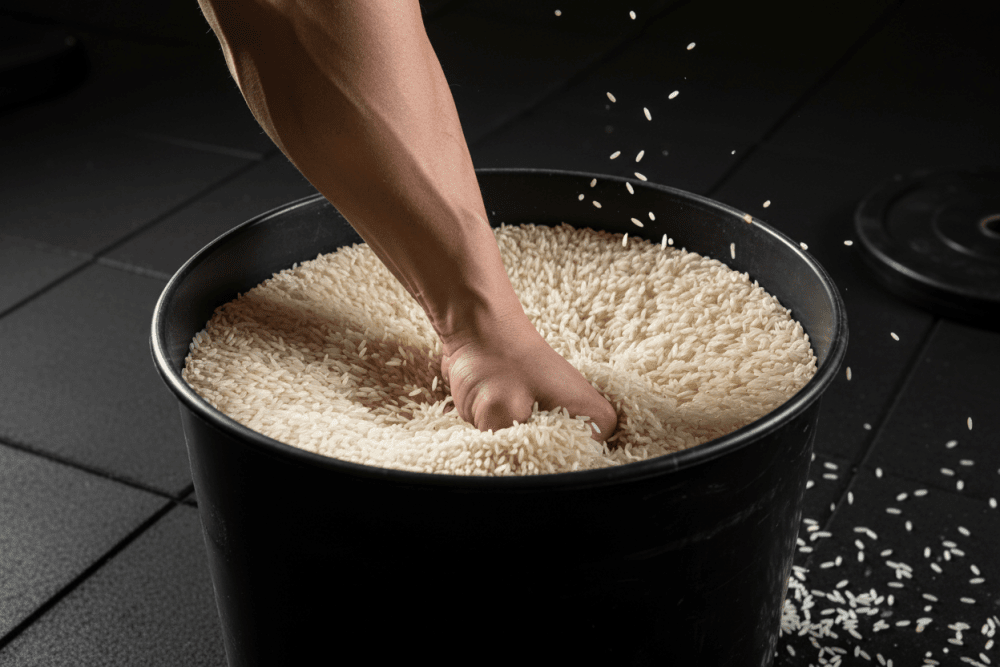
Simple exercises like squeezing, holding, and carrying work best when they are repeated regularly. Over time, your hands adapt, your forearms get stronger, and your grip strength test score naturally improves.
Many people who focus on grip strength choose tools that are made only for hand and forearm training. Brands like Gripzilla are built around this idea.
Instead of general gym equipment, our focus stays on grip strength, hand control, and forearm endurance. This helps people train their hands safely and more effectively, whether they are beginners, athletes, or older adults.
Using different types of grip equipment also helps target all parts of the hand. Crushing strength, holding strength, and finger strength are all important for a balanced grip.
Common Mistakes During the Handgrip Strength Test
Here are some common mistakes:
· Bending the wrist too much while squeezing
· Holding the dynamometer incorrectly
· Using poor posture during the test
· Not warming up the hands before testing
· Rushing the squeeze instead of holding it for a few seconds
· Testing when the hands are already tired
· Doing the test right after intense workouts
· Not resting between attempts
· Recording only one try instead of the best score
Handgrip Strength Test and Aging
As people age, muscle mass naturally decreases. Grip strength is often one of the first areas to show this change. Regular grip strength testing helps older adults track muscle health and take action early.
Simple grip exercises can help seniors maintain independence, reduce fall risk, and improve quality of life. That is why the handgrip strength test is widely used in aging studies and senior health programs.
How Often Should You Do a Handgrip Strength Test
For general fitness, testing grip strength once every four to six weeks is enough. This allows time to see real improvement. Athletes or people in rehabilitation may test more frequently under guidance.
Tracking results over time is more useful than focusing on one single number. Even small improvements show progress and better muscle health.
Final Thoughts on the Handgrip Strength Test
The handgrip strength test is simple, quick, and powerful. It gives insight into your hand strength, overall fitness, and long term health.
By testing regularly and training your grip, you can improve daily performance, prevent injuries, and support overall strength.
A strong grip is not just about muscles. It is about confidence, independence, and better living.