
Baseball pitchers do it between innings. Rock climbers do it after hard sessions. The tool is a bucket of rice.
A rice bucket forearm workout is low-cost, low-impact and good at something most grip training skips: working the muscles that open your hand. It won’t build maximum strength on its own, and it won’t fix a stubborn elbow by itself.
This guide gives you 8 rice bucket exercises, 3 routines by level, and an honest look at where the bucket stops being enough.
Here for elbow pain? A rice bucket is a gentle place to start, but sore tendons usually need more load over time. A tennis elbow strengthening tool with adjustable resistance lets you raise the load gradually.
What Is Rice Bucket Training?
 Rice bucket training is exactly what it sounds like, you stick your hands in a bucket filled with rice and perform various exercises against the resistance. Simple? Yes. Effective? Absolutely.
The rice creates this unique, multi-directional resistance that works your fingers, hands, wrists, and forearms through every angle imaginable.
It's like giving your forearms a full 360-degree workout that you just can't get with dumbbells or regular grip trainers.
Here's the kicker: Professional athletes have been using this method for decades. Now it's your turn.
The Origins of Rice Bucket Training
Rice bucket training has roots in traditional martial arts conditioning, and today it’s common in baseball and climbing.
Climbers use it because it works the finger extensors that climbing constantly neglects.
Does Rice Bucket Training Actually Work?
Yes, for the right job. Rice offers low resistance, so it won’t build a crushing deadlift grip. Here’s what it does well:
- Finger extension. Most grip exercises train closing your hand. Rice makes the extensors work too, which helps balance your forearm.
- Endurance and control. Repeated low-load movement builds the sustained hand control pitchers, climbers and martial artists need.
- Gentle movement. Because the load is light, it’s an easy way to move your wrist and fingers when you’re not ready for heavy work.
What it doesn’t do is build maximum strength or, by itself, rebuild a sore tendon.
Rice Bucket for Tennis Elbow and Golfer’s Elbow
Tennis elbow hurts on the outside of the elbow, and golfer’s elbow on the inside. Both involve the forearm tendons that attach there. Persistent cases usually involve more than simple inflammation, which is one reason rest alone often doesn’t fix them.
What a rice bucket can do
- Move the wrist and fingers gently when things are sore
- Train finger extension and forearm endurance
- Give you a low-risk way to stay consistent early on
Where it stops working
- The resistance is light and you can’t measure or increase it precisely. Rice doesn’t give you a number to beat.
- Tendons generally need progressive, consistent loading, more than easy reps.
- If you feel better for a week and pain returns when you grip, lift or play, the tendon may still be under-loaded for what you ask of it.
Signs it’s time to progress
- The bucket feels easy but your elbow still hurts when you grip or lift
- Pain comes back every time you return to your sport or job
- You’ve had symptoms for several months
What to try next
Add resistance you can measure and increase. A twisting forearm trainer with adjustable resistance lets you build load gradually, and a wrist roller covers wrist flexion and extension.
For more, read our guides on golfer’s elbow exercises and tennis elbow stretches.
See a doctor or physical therapist if your pain is severe, follows an injury or isn’t improving. This isn’t medical advice.
Why Rice Bucket Forearm Exercises Actually Work
Here’s why you should give rice bucket forearm workout a try:
1. Balances Your Grip Strength
Let me ask you something: when was the last time you trained your finger extensors?
If you're like most people doing forearm workouts, you're probably crushing grip trainers, doing wrist curls, or hanging from bars. All great exercises... but they only work your flexors (the muscles that close your hand).
Rice bucket exercises force your extensors to work hard too. You know, those muscles on the back of your forearm that open your fingers? Yeah, those forgotten heroes that prevent imbalances and injuries.
2. Build Endurance & Joint Control
The movements are slow, varied and low-load, which builds endurance and control through your wrist and fingers without pounding on them. It’s a useful partner to heavier work.
Low-load reps alone aren’t enough to strengthen a tendon that’s already irritated, so see the elbow section above.
3. Improves Hand Dexterity Like Nothing Else
Ever tried opening a stubborn jar and felt like your fingers just wouldn't cooperate? Rice bucket training for grip strength fixes that.
The varied movements through rice develop hand coordination and finger independence in ways traditional training just can't match. Your hands become more capable in everyday life, not just stronger on paper.
4. Good Option During Rehab
If you’re coming back from a hand or wrist injury, the light resistance can be a gentle way to get moving. Check with a doctor or physical therapist first, and stop with any sharp pain.
For tennis or golfer’s elbow, see where the bucket stops being enough in the elbow section.
How to Make a Rice Bucket at Home (Setup Guide)
 Ready to build your own? Here's what you need:
Equipment:
- A 5-gallon bucket (Home Depot has them for like $5)
- 25-50 pounds of rice (white rice works best—it's cheaper and flows better)
- That's literally it
Setup Steps:
- Choose your bucket size wisely: You want enough depth to submerge your hands completely. A 5-gallon bucket is perfect for most people.
- Fill it up: Start with 25 pounds of rice. If you have larger hands or want more resistance, go up to 50 pounds. Don't overthink it.
- Test the depth: Your hand should be completely submerged when you make a fist at the bottom. If rice spills over when you work out, you've added too much.
Pro tip: Some people add essential oils to keep the rice smelling fresh. Cedar or lavender work great. Just a few drops will do.
8 Best Rice Bucket Exercises for Grip & Forearm Strength
Alright, let's get to the good stuff. Here are the exercises that'll transform your forearms:
1. Rice Bucket Digs (The Foundation)
Plunge your hands into the rice and dig down like you're searching for buried treasure. Push the rice away from you, then pull it back. This works your entire forearm complex.
How to do it: 30-60 seconds of continuous digging. Keep your movements controlled but consistent.
2. Finger Grabs and Squeezes
Make fists in the rice, grabbing and squeezing handfuls as hard as you can. This is your flexor destroyer.
Sets/Reps: 3 sets of 20-30 squeezes per hand.
3. Rice Bucket Flips
Start with your palm down in the rice, then flip to palm up. This works your pronators and supinators (the muscles that rotate your forearm).
Pro tip: Keep your forearm stationary, only your wrist and hand should move.
4. Finger Extensions (The Secret Weapon)
This is where rice bucket training shines. Press your fingers and thumb together, then spread them apart against the rice resistance.
Why it matters: This directly trains those neglected extensors we talked about earlier. Do 3 sets of 15-20 reps.
5. Wrist Circles
With your fist clenched in the rice, make slow, controlled circles in both directions. This improves wrist mobility and strengthens the stabilizer muscles.
Duration: 20 circles each direction, per hand.
6. The Rice Pour
Scoop rice in one hand and slowly let it pour out between your fingers while maintaining tension. Then squeeze tight. Repeat.
This develops grip endurance and finger control like crazy.
7. Finger Walks
"Walk" your fingers through the rice (index, middle, ring, pinky, then reverse). This improves finger independence and dexterity.
Sets: 3 sets of 10 walks per hand.
8. Thumb Rotations
Isolate your thumb and rotate it through the rice in full circles. Your thumb is responsible for about 40% of your hand function, so don't skip this.
Pain rules for rice bucket training
- Mild forearm fatigue or a light burn is fine.
- Stop if you feel sharp pain, tingling, numbness, or pain that lingers into the next day.
- Keep movements slow and the range comfortable. Don’t force circles into a sore wrist.
- If pain gets worse over a week, take a break and see a clinician.
Rice Bucket vs Hand Grippers, Wrist Rollers and Twisting Trainers
Rice Bucket Forearm Workout Routine (Complete Program)
 Here's a complete rice bucket workout you can start today:
Beginner Routine (3x per week):
- Rice Digs: 2 sets × 30 seconds
- Finger Grabs: 2 sets × 15 reps
- Finger Extensions: 2 sets × 15 reps
- Wrist Circles: 15 circles each direction
- Total time: 10 minutes
Intermediate Routine (4x per week):
- Rice Digs: 3 sets × 45 seconds
- Finger Grabs: 3 sets × 20 reps
- Rice Flips: 3 sets × 15 reps
- Finger Extensions: 3 sets × 20 reps
- Wrist Circles: 20 circles each direction
- Finger Walks: 2 sets × 10 walks
- Total time: 15 minutes
Advanced Routine (5x per week):
- Rice Digs: 4 sets × 60 seconds
- Finger Grabs: 4 sets × 25 reps
- Rice Flips: 3 sets × 20 reps
- Finger Extensions: 4 sets × 25 reps
- The Rice Pour: 3 sets × 10 reps
- Wrist Circles: 25 circles each direction
- Finger Walks: 3 sets × 10 walks
- Thumb Rotations: 2 sets × 15 circles
- Total time: 20-25 minutes
Rest days matter. Your tendons need recovery time, so don't go crazy. More isn't always better.
Common Rice Bucket Training Mistakes (Don't Do These)

Mistake #1: Going Too Hard, Too Fast
I get it, you're excited. But blasting through 100 reps on day one is asking for tendonitis. Start light, build gradually.
Mistake #2: Neglecting Warm-Ups
Cold tendons + resistance training = bad news. Spend 2-3 minutes doing light movements before you dive into heavy work.
Mistake #3: Using Only Flexor Exercises
If you're only doing grabbing and squeezing movements, you're missing the point. Extensions are CRUCIAL for balanced development.
Mistake #4: Inconsistent Training
Doing rice bucket exercises once a month won't do anything. Consistency beats intensity. 3-4 times per week will get you results.
Mistake #5: Ignoring Pain Signals
Discomfort is normal. Sharp pain is not. If something hurts beyond normal muscle fatigue, stop and assess.
Who Benefits Most from Rice Bucket Training?
Rice bucket exercises are perfect for:
✓ Baseball and softball players (especially pitchers and catchers)
✓ Rock climbers and boulderers (balances finger strength)
✓ Martial artists (improves grip and wrist stability)
✓ Musicians (develops finger dexterity)
✓ People recovering from hand/wrist injuries (with doctor approval)
✓ Anyone wanting stronger forearms without expensive equipment
✓ Gamers and office workers (prevents repetitive strain)
How Long Until You See Results?
Let's be real: rice bucket training isn't magic. But here's what you can expect:
Week 1-2: Your hands will feel more coordinated. Everyday tasks get easier.
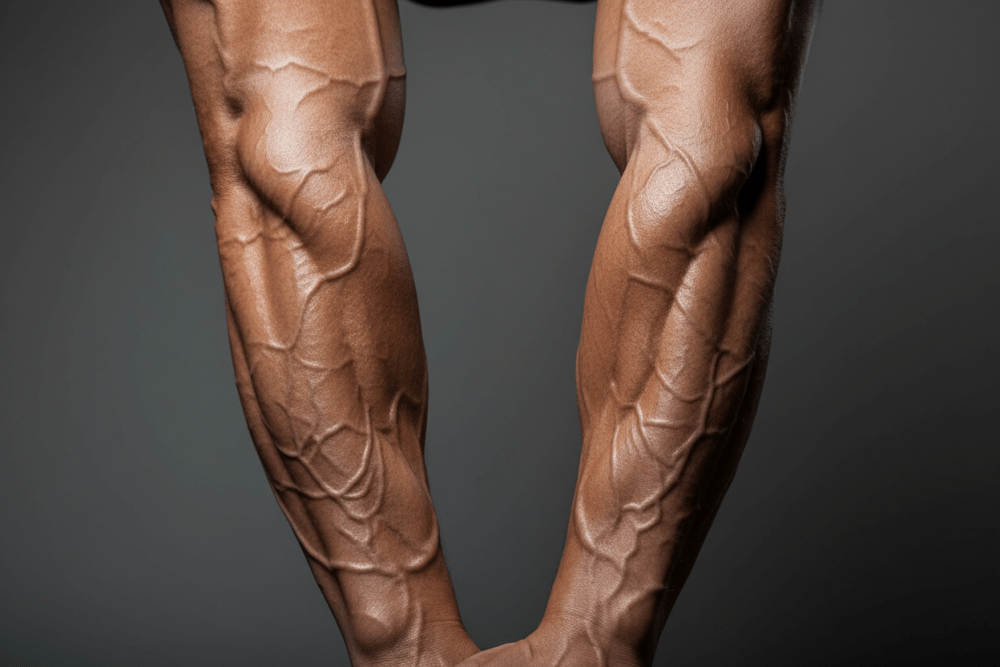
Week 3-4: You'll notice visible improvements in forearm muscle definition and wrist stability.
Week 6-8: Your grip endurance skyrockets. Finger strength becomes noticeably better.
Week 12+: Your forearms are more balanced, injuries are less common, and your overall grip strength improves significantly.
The key? Stay consistent. This isn't a sprint—it's a marathon.
Rice Bucket Training FAQs
How often should I do rice bucket exercises?
3-4 times per week is the sweet spot for most people. This gives your tendons adequate recovery while maintaining consistent progress.
Can rice bucket training replace grip strengtheners?
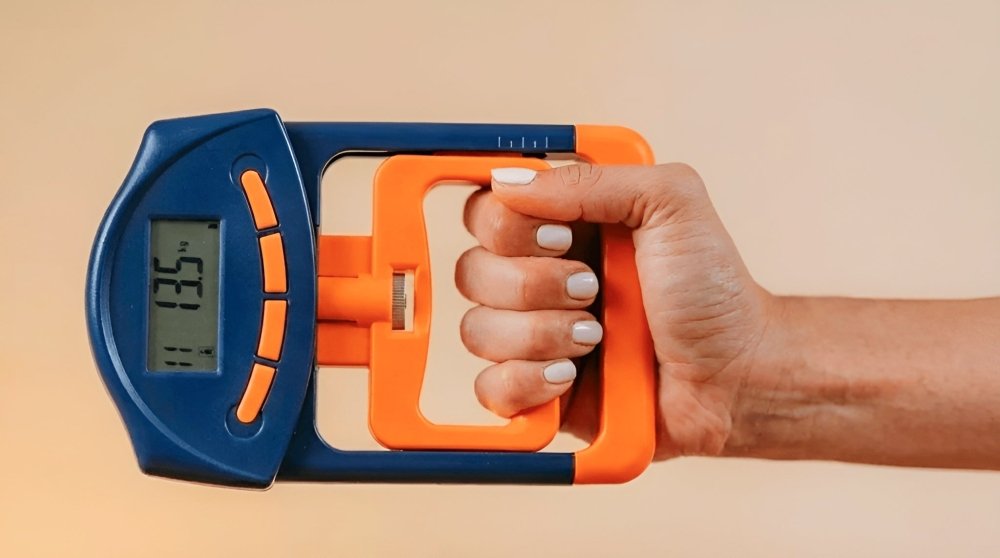
No, but it complements them perfectly. Rice bucket work targets extensors and builds endurance, while traditional grip strengtheners build maximum crushing force. Use both for complete forearm development.
What size bucket do I need for rice bucket training?
A 5-gallon bucket is ideal for most people. It provides enough depth to fully submerge your hands while working out comfortably.
How much rice should I use?
Start with 25 pounds and increase to 50 pounds as you get stronger. More rice = more resistance. Adjust based on your hand size and strength level.
Is rice bucket training good for tendonitis?
It can be excellent for rehabilitation when done properly, but always consult with a physical therapist or doctor first. The gentle, controlled resistance helps strengthen tendons without excessive strain.
Can I use sand instead of rice for forearm training?
You can, but rice is better. Sand is messier, harder to clean, and can be abrasive on your skin. Rice flows smoothly and provides consistent resistance.
How long should each rice bucket workout last?
Beginners: 10 minutes | Intermediate: 15 minutes | Advanced: 20-25 minutes. Quality over quantity. Focus on controlled movements rather than duration.
Will rice bucket training build bigger forearms?
Yes, but it's more about balanced development than pure size. You'll build the extensor muscles most people neglect, creating fuller, more complete forearm development. For maximum size gains, combine rice bucket work with traditional forearm strengthening exercises.
Can kids do rice bucket exercises?
Absolutely! Rice bucket training is safe for kids and actually helps develop hand coordination and motor skills. Just supervise them and keep sessions short (5-10 minutes).
How do I keep the rice clean and fresh?
Store your bucket in a dry area with a lid. Add a few drops of essential oil to keep it smelling fresh. Replace the rice every 6-12 months or when it starts breaking down.
Ready to Build Unbreakable Forearm Strength?
Rice bucket training is an incredible tool for developing balanced, functional grip strength. But here's the truth: it's just one piece of the puzzle.
If you're serious about building forearm strength that translates to real-world performance, whether you're crushing PRs in the gym, dominating on the climbing wall, or just want hands that work better in everyday life, you need a complete approach.
That's where Gripzilla comes in.
We've spent years developing the most effective grip and forearm training tools on the market.
From adjustable grip strengtheners to wrist rollers and beyond, our equipment is designed to complement your rice bucket training and take your forearm development to the next level.
Ready to transform your grip strength?
Check out Gripzilla's complete forearm training collection and find out why thousands of athletes trust us to build unstoppable grip strength.
Don't settle for weak forearms. Build the grip strength you deserve.