
Here's something most people don't realize until it's too late: your grip strength might be the single most important health marker you're not paying attention to.
If you're over 60 and struggling to open jars, dropping things more often, or finding it harder to carry grocery bags, your hands are trying to tell you something.
The good news? You can fix this, and it's easier than you think.
Why Grip Strength Declines With Age
Grip strength in elderly adults doesn't disappear overnight. It fades through a few predictable causes:
Sarcopenia (age-related muscle loss)
After 60, muscle mass naturally declines, and the small muscles of the hands and forearms lose strength faster than most people expect.
Inactivity
Modern life rarely demands hard gripping. Jars have easy-open lids, bags have handles, and the hands simply stop getting trained.
Chronic conditions
Arthritis, diabetes, and poor circulation all affect nerve function and muscle health in the hands.
The upside: unlike many age-related changes, this one responds quickly to training.
How to Test Your Grip Strength at Home
Before starting, get a baseline.
The simplest at-home test is the towel hang: roll a towel, grip it with one hand, and see how long you can hold a firm squeeze. Under 30 seconds suggests real room for improvement.
For a proper benchmark, doctors use a dynamometer.
As a reference point, healthy men in their 60s average around 30 to 35 kg of grip force, and women around 20 to 25 kg. See our full breakdown of average grip strength by age to find your target range.
Retest every two weeks. Watching the number climb is the best motivation there is.
How to Improve Grip Strength for Seniors (The Safe Way)
Before we jump into exercises, here's what you need to know about training hand strength for elderly people safely.
Start slower than you think you need to. Your tendons and ligaments take longer to strengthen than your muscles, especially as you age.
If something hurts beyond normal muscle fatigue, stop. Pain is your body's warning system, not something to push through.
Warm up your hands first. Run them under warm water for a minute or two, or rub them together vigorously. This gets blood flowing and makes everything easier, especially if you have arthritis.
Now let's get into the exercises that actually work.
Best Grip Strength Exercises for Elderly at Home
Here are some grip strength workouts that are sure to work for elderly:
1. Hand Gripper Squeezes (The Foundation)
 If you only do one grip exercise for seniors, make it this one. Hand grippers build crushing strength, which is what you use for most daily tasks.
The Gripzilla Ultimatum Kit is perfect for seniors because it comes with six different resistance levels. Start with the 50-pound "Baby" gripper.
Yes, that sounds light, but trust me, if you haven't trained grip in years, it'll challenge you.
How to do it:
- Sit comfortably with your elbow bent at 90 degrees
- Place the gripper in your palm with handles parallel to your fingers
- Squeeze slowly until the handles touch (or as close as you can get)
- Hold for 2-3 seconds
- Release slowly
- Do 2 sets of 8-12 reps per hand
2. Stress Ball Squeezes (Gentle and Effective)
 This is the gentlest hand strengthening exercise for elderly people, perfect if you have arthritis or you're just starting out.
How to do it:
- Hold a soft stress ball or tennis ball in your palm
- Squeeze as hard as you comfortably can
- Hold for 5 seconds
- Release slowly
- Do 10-15 reps per hand
You can do this while watching TV, reading, or waiting in line. The beauty of stress ball exercises is you can do them daily without overdoing it.
3. Towel Wringing (Builds Functional Strength)

Remember wringing out a wet towel? That twisting motion builds wrist strength and forearm strength in a way that mimics real-life movements.
How to do it:
- Take a small hand towel
- Hold it with both hands about shoulder-width apart
- Twist your hands in opposite directions as if wringing out water
- Hold the twist for 3-5 seconds
- Reverse the direction
- Do 8-10 twists in each direction
For a more advanced version, try the Gripzilla Dynamo.
It uses the same wringing motion but with adjustable resistance, working all 20 forearm muscles. It's like physical therapy equipment you can use at home.
4. Coin Pickup Exercise (Pinch Grip Training)
 This pinch grip exercise strengthens the muscles between your thumb and fingers, crucial for picking up small objects.
How to do it:
- Place 10-15 coins on a table
- Using only your thumb and index finger, pick up one coin at a time
- Transfer each coin to a cup or your other hand
- Repeat with your other hand
- Do this 2-3 times per session
This exercise directly translates to everyday tasks like picking up pills, handling keys, or grabbing small items.
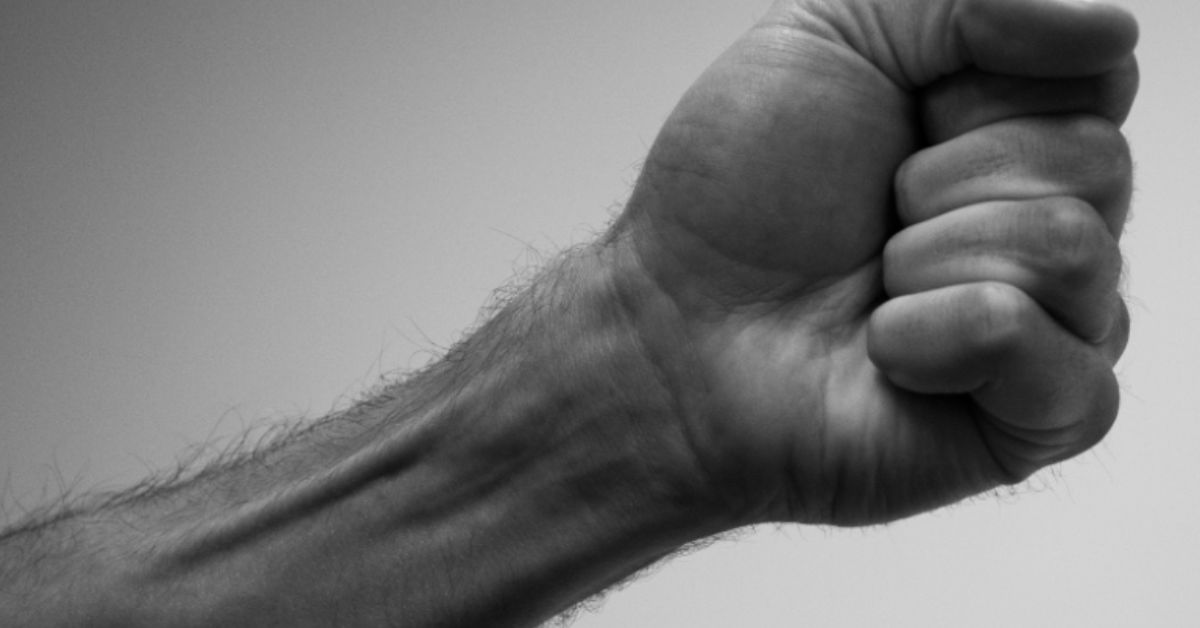
5. Fist Clenches (Quick and Simple)

One of the easiest hand exercises for seniors, you can do this anywhere, anytime.
How to do it:
- Extend your arm in front of you
- Make a tight fist, wrapping your fingers around your thumb
- Squeeze hard for 5 seconds
- Open your hand wide, spreading fingers apart
- Repeat 10 times per hand
Do this exercise while waiting for your coffee, sitting in the doctor's office, or during commercial breaks.
6. Wrist Curls (Strengthens Supporting Muscles)

Wrist strengthening exercises prevent imbalances and help prevent conditions like carpal tunnel syndrome.
How to do it:
- Sit with your forearm resting on your thigh or a table
- Hold a light weight (1-2 pounds to start, or even a water bottle)
- Palm facing up, slowly curl your wrist upward
- Lower back down with control
- Do 10-15 reps per hand
After a few weeks, flip your hand over (palm down) and do reverse wrist curls. This trains the muscles on the back of your forearm that often get neglected.
7. Plate Pinch Holds (Advanced Pinch Strength)

Once you've built some baseline strength, plate pinch exercises take your thumb strength to the next level.
How to do it:
- Take a weight plate (start with 5 pounds) or a thick book
- Pinch it between your thumb and fingers
- Hold your arm down at your side
- Squeeze and hold for 15-30 seconds
- Rest and repeat 3-4 times per hand
This exercise is harder than it looks. Your thumb is responsible for about 40% of your hand function, so training it specifically makes a huge difference.
Special Exercises for Seniors with Arthritis
If you have arthritis in your hands, these modified hand exercises for elderly with arthritis can help reduce pain and maintain mobility without aggravating your condition.
1. Finger Walking: Place your hand flat on a table. Lift one finger at a time, moving it forward slightly, then the next finger. "Walk" your hand across the table. This gentle movement promotes circulation and reduces stiffness.
2. Prayer Position Stretch: Press your palms together in front of your chest. Slowly lower your hands (keeping palms together) until you feel a gentle stretch in your wrists and fingers. Hold 15-30 seconds. This wrist mobility exercise helps maintain range of motion.
3. Rubber Band Extensions: Place a rubber band around all five fingers. Spread your fingers against the resistance. This trains the extensor muscles (the ones that open your hand) which are often weak in people with arthritis.
4. Warm Water Therapy: Before exercising, soak your hands in warm water for 5 minutes. This increases blood flow and makes movements easier and less painful.
Creating Your Grip Training Schedule
Here's a simple grip strength program you can follow. Pick 3-4 exercises and do them 3 times per week:
Monday Routine (10 minutes):
- Hand gripper squeezes: 2 sets x 10 reps each hand
- Towel wringing: 2 sets x 10 twists each direction
- Fist clenches: 2 sets x 10 reps each hand
Wednesday Routine (10 minutes):
- Stress ball squeezes: 2 sets x 15 reps each hand
- Finger touches: 2 sets x 5 sequences each hand
- Wrist curls: 2 sets x 12 reps each hand
Friday Routine (10 minutes):
- Coin pickup: 2 sets x 10 coins each hand
- Hand gripper squeezes: 2 sets x 10 reps each hand
- Plate pinch holds: 3 sets x 20 seconds each hand
Rest for at least one day between sessions. Your hands need recovery time just like any other muscle group.
Tools That Make Elderly Grip Exercises Easier
While you can do many elderly grip exercises without equipment, having the right tools makes everything more effective and convenient.
Hand Grippers
 The gold standard for building crushing strength. The Gripzilla hand grippers offer adjustable resistance perfect for seniors at any fitness level.
Gripzilla Tornado

This unique tool uses rotational movements to activate over 30 muscles in your hands, wrists, and forearms. The Tornado is portable and perfect for seniors who want comprehensive forearm development without multiple pieces of equipment.
Stress Balls
Start with soft foam balls and progress to firmer rubber ones as you get stronger.
Therapy Putty
Great for people with severe arthritis or those recovering from injury. It provides gentler resistance than grippers.
Rice Bucket
Fill a large container with uncooked rice. Plunge your hand in and open/close your fingers against the resistance. This old-school rice bucket method is incredibly effective for hand therapy exercises.
FAQs About Grip Strength Exercises for Seniors
How often should elderly people do grip exercises?
Three sessions per week with rest days in between. Hands need recovery time like any other muscle group. Gentle moves like stress ball squeezes can be done daily.
How long does it take to improve grip strength?
Most seniors notice easier daily tasks within 4 to 8 weeks of consistent training. Measurable strength gains typically show up around the 8 to 12 week mark.
Are grip exercises safe with arthritis?
Yes, with modifications. Start with warm water soaks, use soft resistance like therapy putty or a foam ball, and stop if you feel sharp pain. The arthritis-specific exercises above are the right starting point.
What's the best grip strength tool for beginners?
An adjustable hand gripper, because you can start light and progress. The Gripzilla hand grippers start at 50 pounds of resistance, which suits most seniors returning to training.
Your Next Steps
Start simple. Pick three exercises from this guide. Do them for 10 minutes, three times this week. That's it.
Don't overcomplicate this. You don't need a gym membership or expensive equipment. A stress ball and some coins will get you started.
As you progress, consider investing in proper hand grippers or tools like the Gripzilla Tornado for more comprehensive training.
If you want more information about building overall strength, check out our complete guide to grip strength workouts that covers exercises for all age groups and fitness levels.
The best time to start was 20 years ago. The second best time is right now.